J.K. Rowling, Women’s Rights and the Trans Rights Debate
What she has actually said, why the backlash became so intense, and what UK law now says.
The argument around J.K. Rowling is often reduced to two slogans: that she is either defending women or attacking transgender people. Neither slogan, on its own, explains the dispute. To understand it properly, readers need to look at Rowling’s own published words, the objections raised by her critics, and the legal framework governing sex and gender reassignment in Britain.
What has J.K. Rowling actually said?
Rowling’s position is that transgender people should be protected from discrimination and treated with dignity. At the same time, she argues that biological sex cannot simply be replaced by gender identity in every legal, medical or safeguarding context.
In her June 2020 essay, she wrote that she wanted trans people to be safe and protected, while also explaining why she believed sex-based rights and language remained important. Her concerns have repeatedly centred on women’s refuges, prisons, changing facilities, healthcare, data collection and sport.
Her core argument is that recognising the dignity of trans people does not require society to pretend biological sex is irrelevant.
Supporters see this as a defence of women’s existing rights. Critics argue that the framing itself can contribute to exclusion and make trans people feel that their identity is being treated as a threat.
Why did the backlash become so intense?
The dispute sits at the point where identity, language, law, safeguarding and personal experience collide. Many trans people say that public arguments focused on biological sex are frequently used to justify restrictions that affect their everyday lives. Campaign groups have also argued that highly visible interventions from major public figures can intensify stigma.
Rowling’s supporters respond that disagreement over policy is not the same as hatred. They say women should be able to discuss female-only services, prison placement, sport, medicine and safeguarding without being accused of hostility towards trans people.
The backlash became particularly fierce because social media rewards certainty and outrage. Complex legal distinctions were compressed into accusations, slogans and personal attacks. That has made calm discussion harder, not easier.
Why many women stand with her
Many women believe Rowling articulated concerns they had been reluctant to voice. Their position is that women’s rights developed because females have historically faced discrimination, violence and disadvantage on the basis of sex.
They argue that sex may still matter in:
- domestic abuse and rape-crisis services;
- prisons and communal accommodation;
- intimate medical care and hospital wards;
- competitive female sport;
- medical research and public-health data;
- privacy, dignity and safeguarding.
For these women, defending sex-based rights is not a statement that trans people are undeserving of protection. It is a claim that two protected groups can have legitimate interests that sometimes require careful balancing.
What does UK law say?
The Equality Act 2010 protects both sex and gender reassignment as protected characteristics. It is unlawful to discriminate against a person because of either characteristic.
In April 2025, the UK Supreme Court ruled in For Women Scotland Ltd v The Scottish Ministers that the words “man”, “woman” and “sex” in the Equality Act refer to biological sex. The Court also stressed that this interpretation does not remove legal protection from trans people, who remain protected under gender reassignment and other discrimination provisions.
The Equality Act also contains exceptions that can permit separate or single-sex services where limiting access is a proportionate means of achieving a legitimate aim. Relevant aims may include privacy, dignity, preventing trauma, health and safety. The law does not create an automatic rule for every situation; organisations must assess the specific service and justify their policy.
Where LondonGBP stands
LondonGBP supports the right of women to speak plainly about biological sex and sex-based rights. Women should not be intimidated into silence for raising lawful concerns about safeguarding, privacy, sport, medicine or single-sex provision.
At the same time, trans people are entitled to dignity, safety and protection from discrimination. Defending women’s rights should not become an excuse for abuse, harassment or dehumanising language.
Our view is that honest disagreement is not hatred. A democratic society must be capable of protecting trans people while also recognising that sex remains relevant in law and in some areas of public policy.
Read the original sources
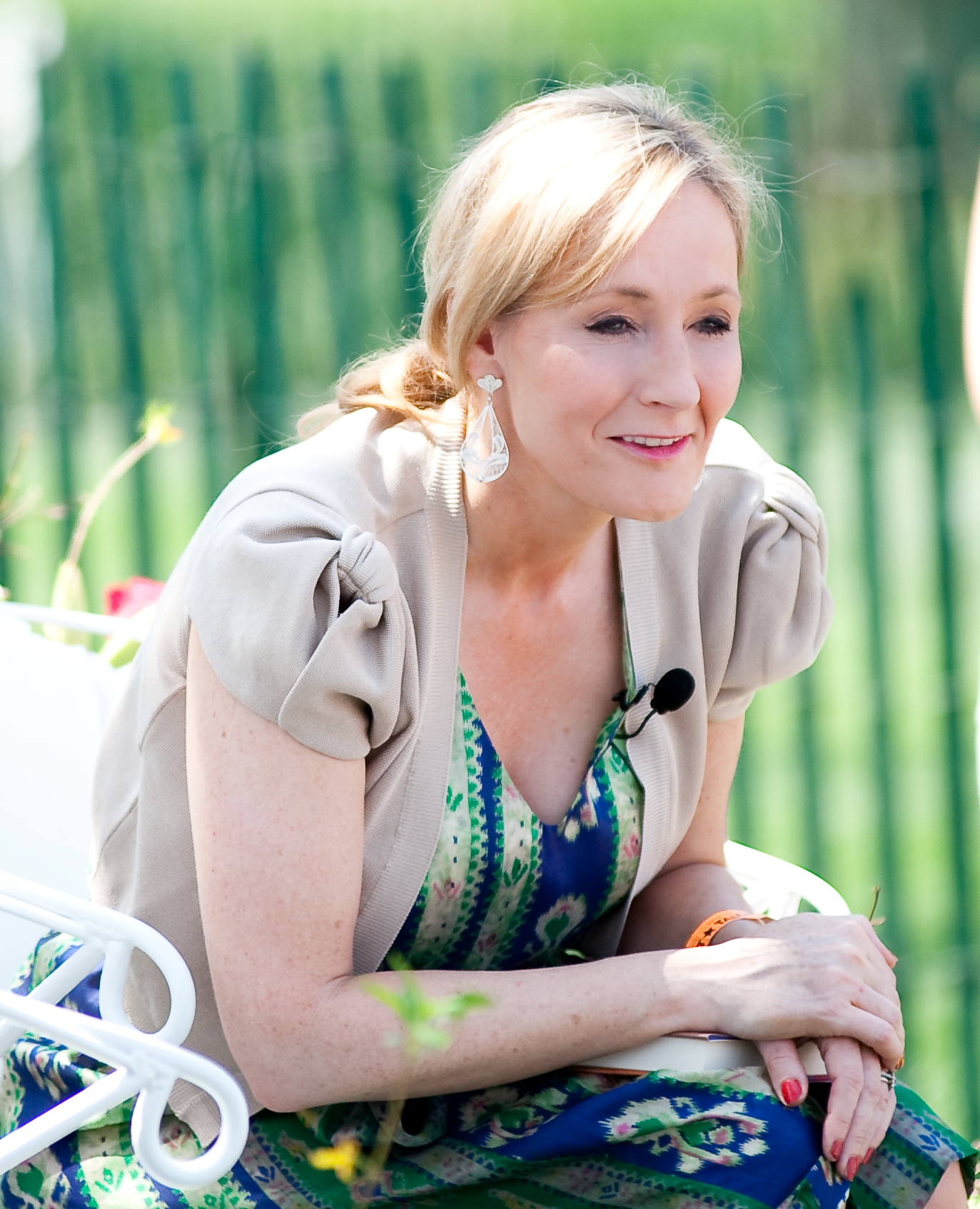
Image: Daniel Ogren, via Wikimedia Commons, licensed CC BY 2.0.
Join the discussion
Comments are welcome, but personal abuse, threats, slurs and dehumanising language will not be published. Disagreement is permitted; harassment is not.